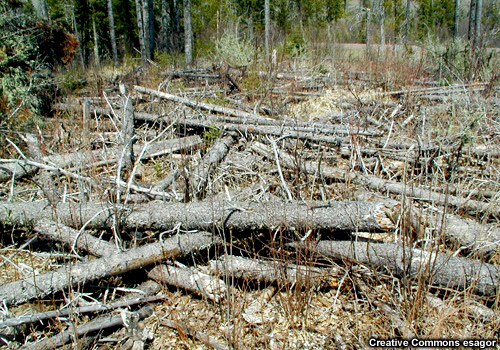
Tanker 463; Fire Season 2017

Tanker 463; Fire Season 2017
Photo by Bill Barr - CLICK ME!

Thursday, June 15, 2023

Statewide Drought Watch


FOR IMMEDIATE RELEASE

June 15, 2023

Map included


MEDIA CONTACT: Deb Klenotic, dklenotic@pa.gov


DEP Declares Statewide Drought Watch, Recommends Voluntary Water Conservation


Harrisburg, PA – Following a meeting of the Commonwealth Drought Task Force this week, the Pennsylvania Department of Environmental Protection (DEP) has declared a statewide drought watch. While not required, residents and businesses are encouraged to voluntarily conserve water by reducing their nonessential water use.


“Although this week has brought some welcome rain to much of the state, it's not enough to make up for the lack of rainfall this spring, following a winter that brought little snowfall in many areas,” said DEP Acting Secretary Rich Negrin. “As a result, we're seeing lowered stream flows, dropping groundwater levels, and persistent precipitation deficits. Water conservation, always a good practice, is especially helpful now as it'll lessen potential future impacts on water supplies if rainfall continues to be scant this summer.”


Residents and businesses are encouraged to reduce their nonessential water use by 5–10 percent. For example, at home there are many simple ways to use less water: 


  • Run the dishwasher and washing machine less often, and only with full loads.
  • Don’t let the faucet run while brushing your teeth or shaving. Take shorter showers. For example, consider not washing your hair daily. 
  • Water your lawn only if necessary. Avoid watering on windy and hot days. Watering grass lightly and efficiently will encourage healthier, deeper grass roots. Overwatering is wasteful, encourages fungal growth and disease, and results in shallow, compacted root systems that are more susceptible to drought.
  • When mowing your lawn, set the blades 2-3 inches high. Longer grass shades the soil, improving moisture retention. 
  • Water your garden less often. If necessary, water only in the cooler evening or morning hours, and direct the water to the ground at the base of the plant. Focus on new plantings, which have shallow root systems. Older plants may endure dry conditions longer.
  • Skip the car washing. If you have to wash your car, it's better environmentally to go to a drive-through car wash that recycles the water.
  • Sweep your sidewalk, deck, or driveway, instead of hosing it off.
  • Check for and repair household leaks. For example, a leaking toilet can waste up to 200 gallons of water daily. 
  • Set up a rain barrel to be ready to repurpose rain when it does fall. For helpful information, see this Penn State Extension guide. Or just set out a bucket to capture water in the event of rain, and reuse it to water plants or the bird bath.


For more tips for residents as well as fact sheets on how businesses such as lawn care services, landscapers, hotels, and restaurants can reduce water use, see the U.S. Environmental Protection Agency Drought and WaterSense web page.


At this time, 18 public water suppliers are asking for voluntary water conservation in their communities. For a map of daily drought status and a weekly list of public water suppliers that are requesting or requiring water use reduction, see the DEP drought web page.  DEP is notifying all water suppliers of the need to monitor their supplies and to update their drought contingency plans as necessary. 


The Department of Agriculture encourages farm operations to plan to help protect their viability.  


“Risks and volatility in farming are weather-related more than in any other business,” Agriculture Secretary Russell Redding said. “Pennsylvania’s beneficial natural average rainfall has been upended by weather extremes and unpredictability in recent years. This year is no exception, with more than 90 percent of the topsoil across the state either short or very short in moisture content in the past week. 


“It’s critical for farmers, orchard owners and other producers to keep track of losses, and take advantage of federal crop insurance to help recoup those losses and state conservation funding and business planning grants to protect their soil, diversify their operations, and cushion against future weather-related losses. Planning cannot change the weather, but it can help farm businesses manage the risks that come with it.”


The Department of Conservation and Natural Resources (DCNR) urges Pennsylvanians to be aware of increased fire risk.


Low precipitation has dramatically increased the number of wildfires in Pennsylvania this year. There have already been 1,400 wildfires reported statewide so far in 2023, compared to 1,036 in all of 2022. This year’s wildfires have burned more than 8,500 acres, compared to 2,700 acres in 2022. 


“We’ve had an unprecedented year for wildfires in the Commonwealth, and we encourage all Pennsylvanians to act responsibly to prevent wildfires as dry conditions persist,” DCNR Secretary Cindy Adams Dunn said. “Pennsylvania wildfires pose a threat to public health because of the smoke they create. Though significantly smaller than the 10-million-acre wildfires in Canada, Pennsylvania wildfires still create the same hazardous air conditions in the areas impacted.”


DCNR reminds Pennsylvanians that 99 percent of wildfires are caused by people. DCNR is encouraging residents to understand the factors that increase the risk of wildfires, including an available fuel source, such as dried grass or leaves; dry conditions, including low relative humidity; and an ignition source to start the fire, such as sparks from an automobile, machine exhaust, or burning trash. 


Visit DCNR’s website for more information on wildfire danger, maps, forecasts, and tips on reducing wildfire risks.


Drought watch, warning, and emergency status declarations aren’t based on one indicator alone, such as precipitation. DEP assesses information provided by public water suppliers and data on four hydrologic indicators: precipitation, surface water (stream and river) flow, groundwater level, and soil moisture. 


DEP monitors the indicators in close partnership with the U.S. Geological Survey (USGS), which maintains gages in streams and wells in many locations across Pennsylvania. 


There are normal ranges for all four indicators. DEP makes drought status recommendations after assessing departures from these ranges and comparing this information to historical data. 


For a map that’s updated daily to show the status of each indicator for each county, see the USGS Pennsylvania drought condition monitoring website.


DEP provides data and recommendations to the state and federal agencies and other organizations that make up the Commonwealth Drought Task Force. Drought watch and warning declarations are determined by DEP, with the concurrence of the task force. 


Drought emergency declarations follow the same process, with final approval by the Governor.  No county is in drought warning or emergency status at this time.


For more information on how DEP monitors conditions and makes drought status declarations, see the DEP drought management fact sheet.


The next Commonwealth Drought Task Force meeting is scheduled for July 6. Dates of upcoming meetings are posted on the DEP drought web page. 


###

Tuesday, June 13, 2023

Dead Fuel Moisture and Dry Times

The past month in Pennsylvania has been a historically dry spell, and with that, we would like to take the time to discuss something called dead fuel moisture content.

First and foremost, what really plays a part in the fire danger ratings as well as fuel moisture is relative humidity. Now, if you’ve been here a while you probably know what that is, but just in case let’s review. Relative humidity (commonly referred to as RH) is “the ratio of the amount of moisture in the air to the amount of moisture necessary to saturate the air at the same temperature and pressure.” It is expressed as a percent. The RH measurements that go into our daily fire danger reports are generated from various remote automated weather stations (RAWS) across the state.


Dead fuels and the air are always exchanging moisture - when the RH is low moisture is removed from the fuels, and when the RH is high moisture is gained by the fuels. See where we’re going with this? When that humidity drops, fire behavior increases because the fuels become drier – at different rates.


Fuel moisture is measured for live herbaceous, woody, and dry (dead) fuels. Their moisture is a calculated value that represents an approximate moisture content. The live fuel moisture varies through the growing seasons and between different climate classes, we look at the different fuel models for the areas as well (did you know there are 20 different fuel models?).

Dead fuel moisture, however, is “the moisture content of dead organic fuels, expressed as a percentage of the oven-dry weight of the sample.” This moisture is controlled solely by exposure to environmental conditions. This is absolutely critical in determining fire potential. So, dead fuel moistures are classified by time lag – which is “the time necessary for a fuel particle of a particular size to reach 63% of equilibrium between its initial moisture content and its current environment.”

Within the National Fire Danger Rating System (NFDRS) there are four different time lag classes:

  • 1 Hour (Fine Flashy Fuels) – This is typically grass, leaves, mulch, and litter as well as anything ¼” in diameter or less. These fuels respond very quickly to weather changes. “Moisture in these fuels varies greatly throughout the calendar day and is principally responsible for diurnal changes in fire danger.” Moisture for the fine flashy fuels is computed from observation, time, temperature, humidity, and cloudiness.


  • 10 Hour – This consists of round wood 1/4” to 1” diameter, and the litter layer that extends 3”-4” below the surface. The moisture in this class is measured from observation, time, temperature, humidity, and cloudiness.


  • 100 Hour – 1” to 3” diameter dead fuels. “Moisture in these fuels is computed from 24-hour average boundary condition composed of day length, hours of rain, and daily temperature and humidity ranges.”


  • 1000 Hour – 3” to 6” diameter dead fuels. “Moisture in these fuels is computed from a 7-day average boundary condition composed of day length, hours of rain, and daily temperature and humidity ranges.”


Our main concern through this dry spell is those 100- and 1000-hour fuels – they have been abnormally dry for this time of year coupled with the low RH and higher temps. A fire started right now could easily get into these larger fuels and result in a wildfire that is much more difficult to fully suppress. When we do see drought conditions, it's usually later in the summer but we also experience higher RHs which keep the fine fuels from spreading wildfire rapidly.

Oddly enough, as we were working on this entry a Fuels and Fire Behavior Advisory came through in an email – while it is initially for Northeastern Minnesota, Northern Wisconsin, and Michigan, our area is experiencing similar conditions (which it’s entirely possible that we may see an advisory of our own at some point because of this).

So, let’s share the concerns to firefighters and the public that were highlighted in this advisory:

  • Entire surface area, including leaves and grasses (which appear vibrant green), is available to burn.
  • The effect of rainfall is short-lived. Resources must be aware of the long-term impact of drought and expect a rapid increase in the potential for fire behavior immediately after any rain event.
  • Expect increasing ignitions from lightning in forest fuels. Human-caused ignitions from fireworks and equipment are likely as grass fuels typically to human habitation are cured and receptive.
  • Intensive monitoring and mop-up will be necessary to secure the fire line in lowland grasses where deep fires burn in layers of forest fuels and organic soils. Fires that smolder may cross non-mineral soil breaks and reignite on the other side.
  • Water from the air (aircraft or rainfall) will do little other than slow the forward spread of fires.
  • Existing build-up, hot and dry conditions, and an extended amount of summer remaining will bring a very high to extreme risk of large catastrophic fires to the advisory area.
  • Extreme fire behavior, common under record-setting conditions, will occur where fires, fuels, and weather elements (namely wind) align to create the worst conditions.


Tuesday, March 21, 2023

Ask the Staff: Spring Wildfires

 Why is Spring the most dangerous time for wildfires in Pennsylvania?

If you look outside during Spring here in Pennsylvania, you’re sure to notice that our trees are quite bare, allowing sunlight to more readily hit those forest floors. That sunlight warms the forest floor and dries out the fuels – primarily leaf litter from the previous fall, as well as small diameter branches and twigs. Consider our past few winters - they’ve been fairly mild, and that works against us. The lack of snowpack that typically would compact the leaf litter into a layer that’s more difficult to burn, is already fluffed up and more receptive to ignition. Something else we all look forward to in the Spring is the days getting longer, and warmer – this provides more time for sunlight to warm up and dry the fuels. Combine this drying with the windy Spring days and you have a much larger number of combustible fuels. These two things – dry fuels and windy conditions – are part of the three conditions necessary for a wildfire to occur, the only thing missing is an ignition source.

In Pennsylvania, 99% of wildfires are caused by people. Springtime is typically seen as a perfect time to burn leaf litter, especially after cleaning up flower beds, gardens, and yards. A careless person burning trash or yard waste can be responsible for causing wildfires that threaten homes, property, and lives. These debris fires typically start in a backyard and use the dead grass and leaves to get into the bordering woodlands.

However, wildfires can occur during any month and any time of day. Please be careful when burning, check with your township for burn bans, and local ordinances on burning, and consult the Smokey Bear website for valuable tips on home protection, proper backyard debris burning, and campfire safety among others.


Katalynn Dildine

Wildland Fire Operations Technician

Friday, March 17, 2023

2022 Wildland Fire Program Annual Report

What is our mission?

The wildland fire program safely and effectively manages wildland fire to enhance and protect life, property, and natural resources for the public benefit within Pennsylvania.

Our program at a glance:

·         17 million acres of lands protected from wildfire

·         10 million acres of Wildland-Urban Interface and Intermix

·         952 volunteer Forest Fire Wardens

·         329 fire-qualified employees

2022 Wildfire Season

Pennsylvania’s 2022 wildfire season was slightly above average. 1,034 wildfires were reported during the calendar year. This marks the third year in a row where the state has reported over 1,000 wildfires, a streak that has not been occurred since the 1980’s. The largest wildfire of the year occurred in early November in Centre County.

The Big Fill wildfire was the largest wildfire of the year, burning almost 700 acres in southwestern Centre County during early November. DCNR staff photo.

·         1,034 Wildfires

·         2,685 Acres Burned

·         99 % of Wildfires were Human Caused  

·         4 Residences Destroyed

·         26 Other Structures Destroyed

·         11 Injuries

Wildfire Prevention and Mitigation

Employees and volunteers conducted 450 wildfire prevention activities and events over the course of 2022. Volunteers donated 2,550 hours during these events.

Incident Management Teams

Despite several requests, the DCNR IMTs did not deploy over the past year. There were two instances where the teams were requested for searches that were cancelled while the team members were responding.

·         14 searches reported in 2022

·         3 individuals self-extracted

·         Two searches unfortunately concluded with fatalities

·         22 personnel completed the first Search Manager course held since 2019

During 2022, a new command trailer was procured for incident management teams with funding from the USDA Forest Service. DCNR Staff photo.

Volunteer Fire Assistance

122 Volunteer fire organizations were awarded grants totaling $744,918 to purchase wildland firefighting PPE and firefighting equipment during the past year. These cost share grants are made possible by funding through the USDA.

Fire Cache

·         170,000 items received

·         118,000 items issued

·         21,200 delivery miles

·         Cache supported mobilization of crews, engines, overhead, and training

Federal Excess (FFP/FEPP)

Over 1000 items valued at $1.5 million were obtained through the federal excess programs for distribution to local fire departments.

Air Operations

·         18 wildfires supported

·         109,000 gallons dropped on wildfires

·         77 hours flight time on wildfires

·         81 hours flown for fire reconnaissance

Wildland Fire Crew

2022 was again an active year for wildfires throughout the nation. Assistance provided to our partners across the nation:

·         Four (4) Twenty-Person Type 2IA Hand Crews

·         Two (2) Wildfire Suppression Modules

·         Five (5) Type 6 Wildland Fire Engine Assignments

·         67 Single-Resource Overhead Assignments

·         185 Total Resources Assigned

Susquehanna Suppression Module on the Shawnee National Forest in Illinois, November 2022. This assignment was the first for the program to Illinois.

Wildland Fire Training and Qualifications

·         83 classroom training sessions

·         1,168 students completed classroom courses

·         469 students completed online training courses

·         532 students completed refresher training, RT-130

·         130 Position Task Books Issued

·         65 Position Task Books Completed

268 students received training at the annual Pennsylvania Wildland Fire Academy, Shippensburg University and Michaux State Forest. June 2022. DCNR staff photo.

Prescribed Fire

63 prescribed burns covering 1,749 acres of DCNR lands were completed. Statewide, 441 individual burns were conducted on 14,472 acres. This is a reduction in acreage burned, but wet conditions in the spring limited opportunities.

Prescribed fire conducted at the Milton Hershey School via cooperative agreement, Dauphin County, March 2022. DCNR staff photo.

DCNR would like to thank everyone who assisted the wildland fire program in 2022, especially our valuable network of volunteers. We could not succeed without your dedication and service!

For more information on our program click here.

Monday, March 6, 2023

Counterfeit Fire Shelters

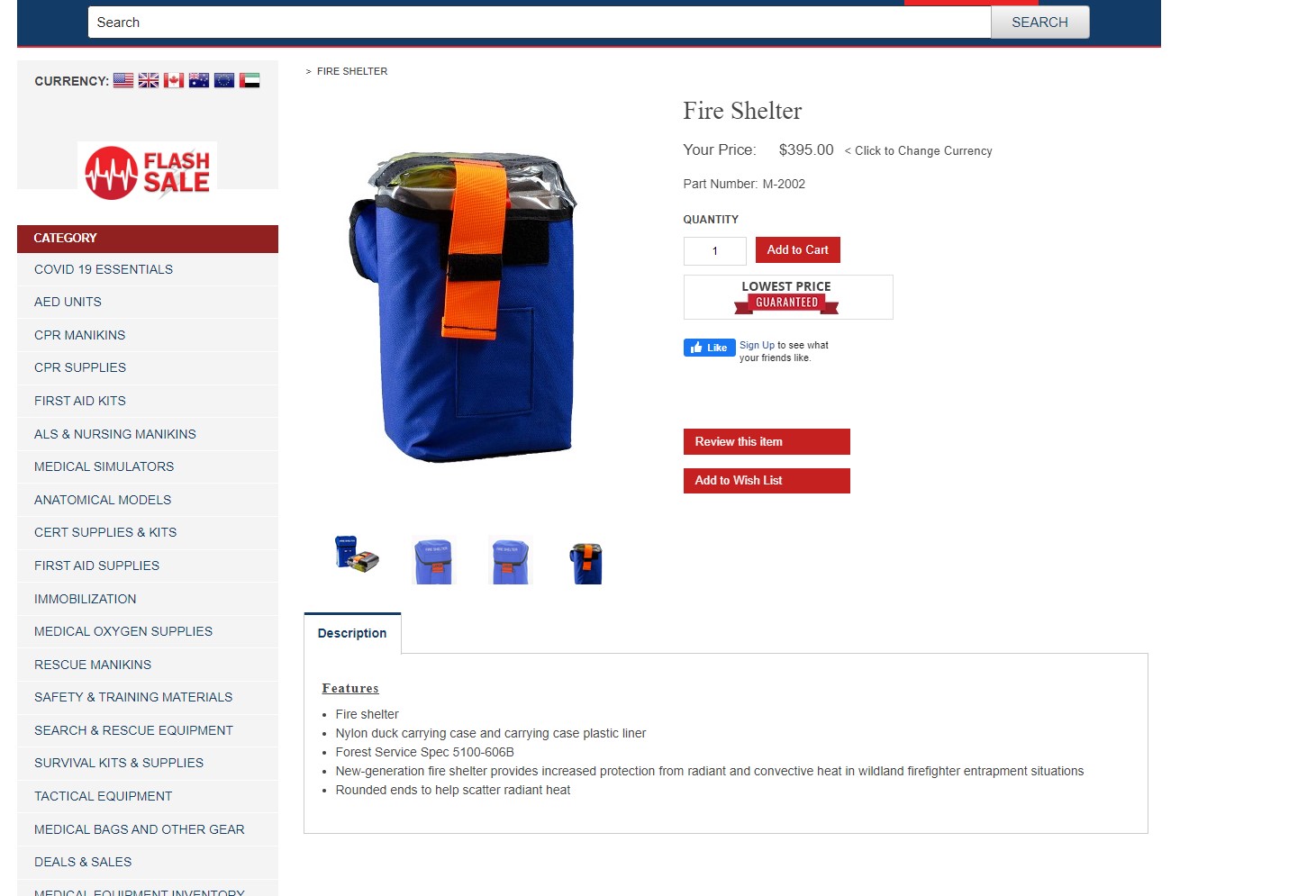
We recently received notification from a US Forest Service Equipment Specialist that there were counterfeit fire shelters for sale on a company called CPR Savers. As of February 24, 2023 the shelters were removed from the website and are no longer available.

"This same company contacted me around July 2023 saying they had shelters available to help with the pre/post 2006 replacement efforts. They provided me with a spec sheet, it is also attached. I have emailed the initial contact from CPR Savers asking if they know who the manufacturer is, if there is a distributor, and who it is as well as any documents that verify it was built to 5100-606B. I will share the information as it comes available.

First off, 5100-606B was released in March 2005 and has been superseded twice. The current revision, 5100-606D came out in 2020 and it’s predecessor, 5100-606C came out in 2011. Other differences are as follows:

Carry Case

·  Lighter weight (denier) nylon

·  No NFES markings on flap

·  No USE INSTRUCTIONS on instruction pocket

·  Danger label (used only by Anchor Ind.) sewn on not heat pressed

·  Use instructions are different paper and printed single sided in English only, no Spanish on opposite side

·  No label sewn into main body/flap junction

HDPE Liner

·  Not present

PVC bag

·  Wrong PVC material

·  Red tear strip wrong material

·  Pull strap wrong sewn dimensions

·  No LARGE stenciled onto pull strap

·  Reinforcement tape incorrect

·  No paper insert label in bag

Shelter

·  Folded incorrectly

·  Wrong laminate materials

·  Shake handles not Kevlar

·  Shake handles not labeled “LEFT” and “RIGHT”

·  Stitch margins and gauge are incorrect

·  Wrong tape for binding and hold-down straps

·  No sewn in label

This is not an exhaustive list, just what is fairly easily identifiable."


See pictures below of the counterfeit shelters and a screenshot of the listing before it was pulled down.


These shelters have the potential to be lethal in a real emergency situation if they are used. This can serve as a reminder of why it is good to double-check your shelters before the season starts.